Hospital Bed vs Adjustable Bed for Seniors: Which Is the Better Fit?
Comparing hospital beds and adjustable beds for senior home care. Understand the clinical, aesthetic, and practical differences to choose the right bed.
Marcus Thompson
Founder & Medical Equipment Specialist
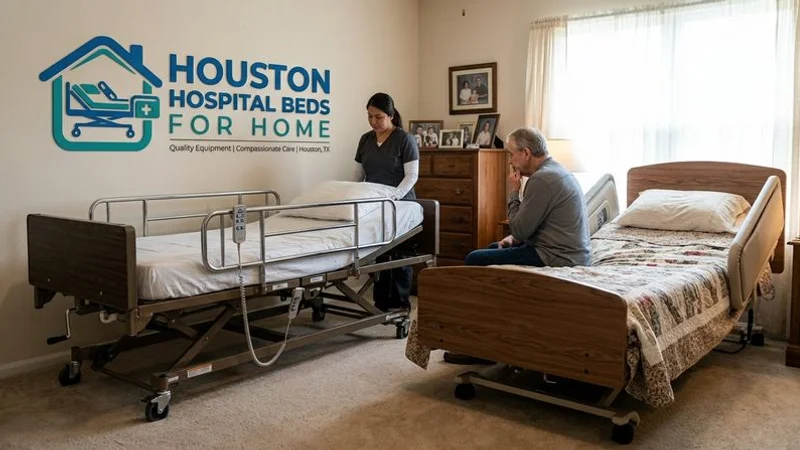
When families come to us looking for a home hospital bed solution, they are often torn between comfort and clinical necessity. You might be wondering if a medical-grade bed is overkill or if a consumer adjustable base is enough to keep your loved one safe.
We have guided thousands of families through this exact decision.
The choice usually comes down to a single distinction: the needs of the caregiver versus the wants of the sleeper. Our team has found that understanding this balance is the key to making the right investment.
Here is a straightforward breakdown to help you decide which option fits your home.
Understanding the Core Differences
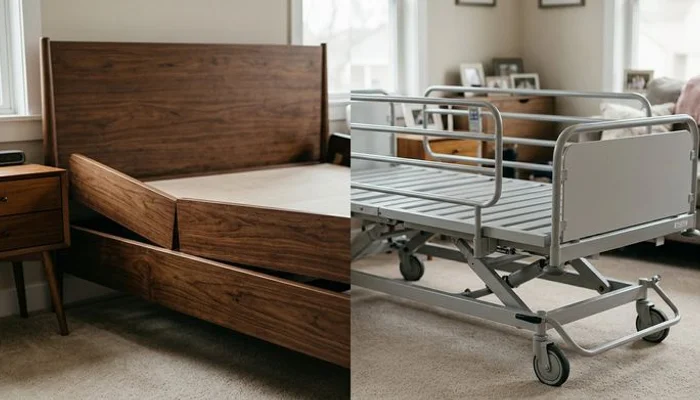
An adjustable bed for seniors acts as a lifestyle upgrade that happens to have health benefits. It typically features a motorized base hidden inside a standard upholstered frame. These beds raise the head and foot sections to improve circulation or reduce snoring. Our adjustable beds for seniors focus on blending into a residential bedroom without looking like medical equipment.
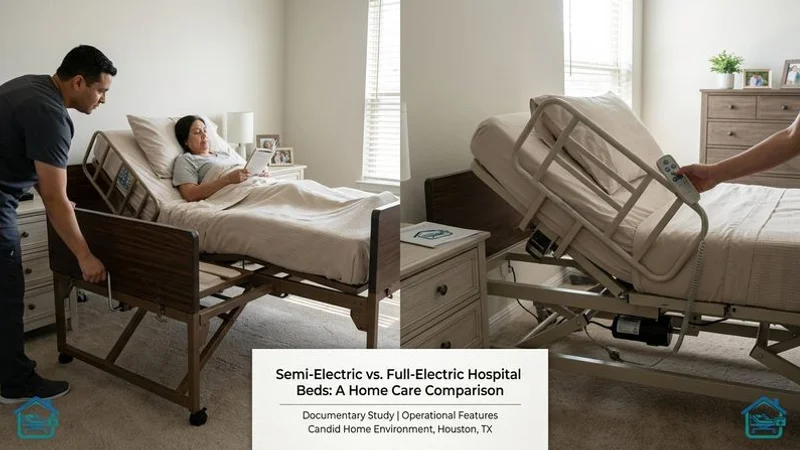
A hospital bed operates as a functional medical device designed for patient care and safety. These units adhere to strict FDA guidelines for entrapment protection and durability. They offer vertical height adjustment to aid caregivers. Our semi-electric and full-electric hospital beds meet these clinical standards while remaining compact enough for home use.
Detailed Comparison Data
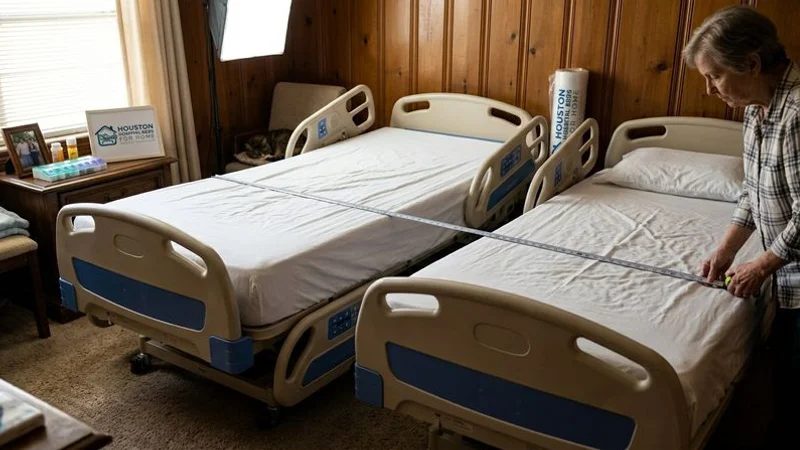
We have compiled the technical specifications to show you exactly how these options differ in daily use.
| Feature | Adjustable Bed for Seniors | Hospital Bed (Full-Electric) |
|---|---|---|
| Primary Function | Comfort & Lifestyle | Caregiver Safety & Medical Access |
| Height Adjustment | Static (Fixed legs) | Dynamic (15” to 30” range) |
| FDA Entrapment Safety | Not Rated | Compliant (Zones 1-4) |
| Side Rails | Aesthetic/Assist handles | Safety Rated (Half or Full) |
| Mattress Type | Consumer Memory Foam/Hybrid | Medical Grade (Prevention/Treatment) |
| Weight Capacity | 300-600 lbs | 450-1,000+ lbs |
| Insurance Coverage | Rarely Covered | Part B Eligible (w/ Prescription) |
| Rental Cost | $175-$275/mo | $200-$350/mo |
| Purchase Price | $1,000-$3,000 | $1,200-$2,500 |
When an Adjustable Bed Is the Better Choice
The Senior Retains Independence
Independence is the primary driver here. If your loved one can stand up from a seated position without physical help, an adjustable bed is usually sufficient.
We recommend this option when the user has good mobility and balance.
Aesthetics and Home Atmosphere
Most seniors resist medical equipment because it signals a loss of autonomy. An adjustable bed looks identical to a standard bed when flat. It allows the user to keep their existing headboard and bedroom set.
This psychological benefit often leads to better sleep and acceptance of the new bed.
The Focus Is Symptom Relief
Adjustable bases are excellent for managing chronic but stable conditions. Elevating the head by just 30 to 45 degrees can significantly reduce symptoms of:
- Acid Reflux (GERD): Gravity prevents stomach acid from rising.
- Sleep Apnea: Opens airways to reduce snoring.
- Edema: Elevating legs above the heart reduces swelling.
You can achieve these health benefits without the industrial look of a hospital bed.
Aging in Place Alone
Safety features on hospital beds, like complex rails, can sometimes be obstacles for seniors living alone. An adjustable bed offers a simpler interface. Combined with other aging-in-place strategies, it supports a safe, autonomous lifestyle.
When a Hospital Bed Is the Better Choice
Vertical Height Adjustment Is Non-Negotiable
This features is the single most important technical difference. A fully electric hospital bed deck can rise from roughly 15 inches to over 30 inches vertically.
We cannot stress enough how vital this is for caregiver safety.
Raising the bed to waist level allows a caregiver to change linens or dress a patient without bending over. The Occupational Safety and Health Administration (OSHA) cites back injuries as a top risk for caregivers, and this feature directly mitigates that risk.
A Caregiver Assists Daily
If a family member or nurse helps with transfers, bathing, or wound care, you need a hospital bed. The ability to adjust the bed’s height prevents caregiver burnout and injury.
Read more about why height adjustment matters for caregivers.
Advanced Medical Needs
Clinical situations require clinical tools. A hospital bed is necessary if the senior requires:
- Specialized Mattresses: Treatment for Stage 2-4 pressure ulcers often requires alternating pressure air mattresses that do not fit consumer frames.
- FDA-Compliant Side Rails: These prevent accidental roll-outs during sleep.
- Patient Lifts: The open clearance under a hospital bed allows the legs of a Hoyer lift to slide underneath.
We find that trying to manage these needs on a consumer bed is dangerous and ineffective.
Fall Risk Management
For seniors with dementia or a history of climbing out of bed, the “Low Bed” feature is a critical safety tool. You can lower the deck to within inches of the floor (often 7-9 inches) to minimize impact if a fall occurs.
Standard adjustable beds generally sit at a fixed height of 22-25 inches.
Bariatric Support
Standard motors often burn out under heavy loads over time. For patients weighing over 450 pounds, a bariatric hospital bed provides a reinforced steel deck and heavy-duty actuators capable of lifting up to 1,000 pounds safely.
The Hybrid Transition Strategy
You do not always have to choose one forever. Many families begin with a consumer adjustable bed and transition to a hospital bed as mobility declines.
- Phase 1: Install an adjustable bed while the senior is independent.
- Phase 2: Swap for a hospital bed if a fall occurs or a caregiver becomes necessary.
Our rental program makes this switch seamless. You can rent a hospital bed for recovery after a surgery and switch back to an adjustable bed later.

The Truth About Cost and Insurance
The financial gap between these two options is smaller than you might think. While a high-end consumer adjustable base can cost over $2,000, a standard full-electric hospital bed often costs less than $1,500.
Medicare Considerations:
- Consumer Adjustable Beds: Medicare considers these “comfort items” and rarely covers them.
- Hospital Beds: Medicare Part B typically covers 80% of the cost if a doctor certifies medical necessity (DME coverage).
We advise checking your specific plan, as coverage rules vary by region and provider.
Our Final Recommendation
Deciding between these two options comes down to one simple question.
Is a caregiver physically assisting the senior every day?
- Yes: Choose the Hospital Bed. The vertical lift protects the caregiver’s back, and the rails protect the patient.
- No: Choose the Adjustable Bed. It offers the necessary comfort positioning while maintaining the look and feel of a home.
If you are still weighing the pros and cons, we are here to help clarify the specific specs. Contact us or call (713) 555-0123. We will walk you through the options based on your specific floor plan and medical needs.
Need a Hospital Bed in Houston?
Get a free, no-obligation quote with transparent pricing and same-day delivery options.